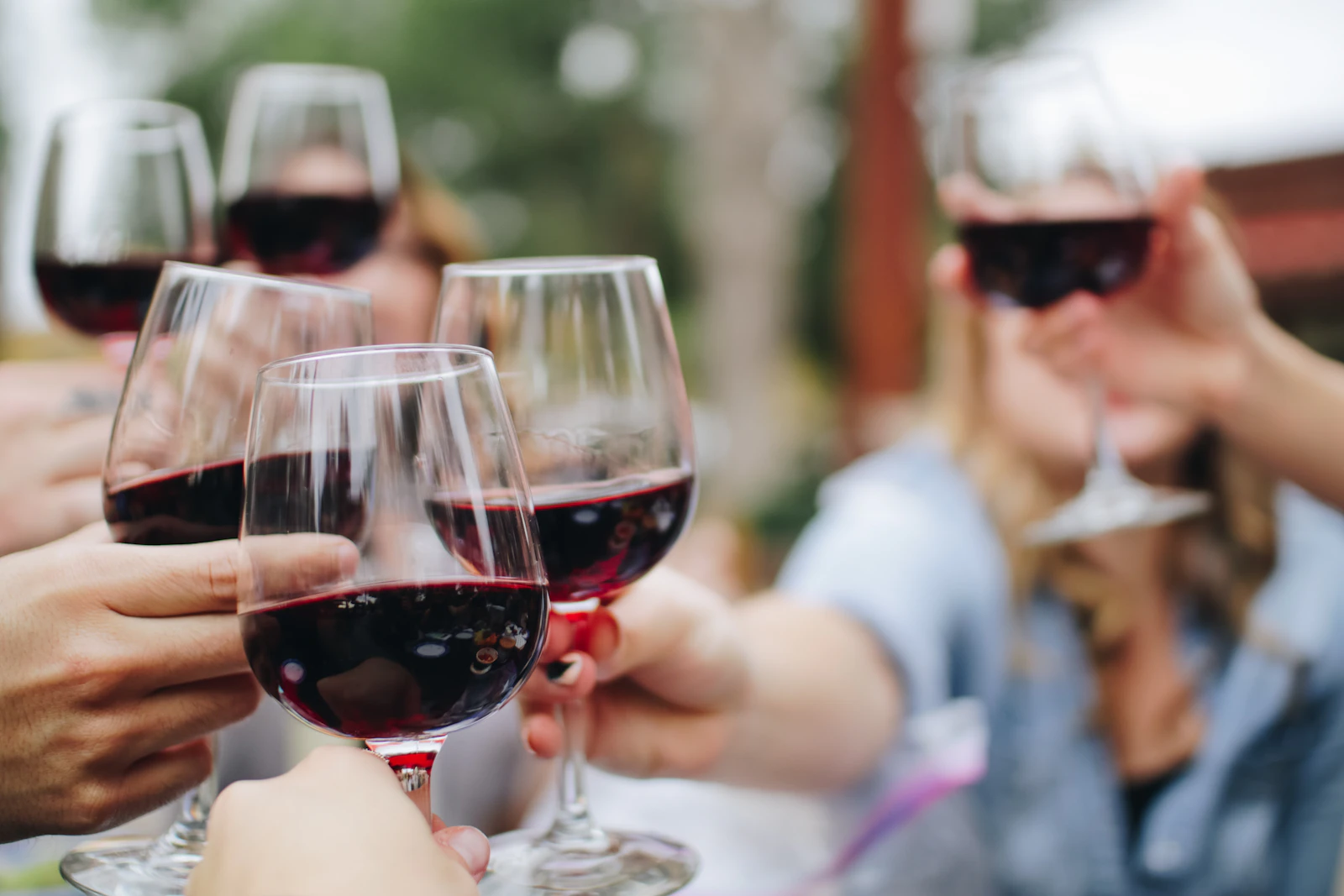

If limonene is a Tuesday afternoon at the farmer’s market, myrcene is the second glass of wine on a Sunday. Slow, deep, slightly herbal, slightly sweet, with a clove note that pulls everything closer to the fire.
Myrcene is the most common terpene in cannabis, and it leans toward what most people think of as the indica feeling — heavier limbs, longer breath, a willingness to sit through the whole movie. Strains: Granddaddy Purple, OG Kush, Blue Dream (it’s in there as a secondary too), Mango Kush. Yes — actually mango. The single ripe-mango note in mangoes is myrcene.
Why stews
Long-cooked food does to a kitchen what myrcene does to a body: it slows everything down and rewards patience. A braise that’s been on for four hours has surrendered all its sharp edges. The collagen has melted. The herbs have done what they were going to do. The aromatic compounds are now part of the air.
Myrcene’s flavor profile — ripe stone fruit, clove, slight earthy musk — finds answering notes in:
- Beef short ribs braised in red wine and orange peel. The orange peel is doing limonene work, the red wine is doing tannin work, and the long cook is releasing all the soft myrcene-friendly aromatics from the bay and the clove and the peppercorn.
- Mole negro. Already a myrcene-coded dish: chiles, clove, allspice, ripe stone fruit (the prunes), bitter chocolate. Pour a small bowl over a slow-roasted pork shoulder.
- Lamb tagine with apricots and cinnamon. The apricots provide the ripe-stone-fruit echo. The cinnamon and clove sit directly under the strain’s warm undertones.
Dosing for the long meal
Myrcene is the terpene most associated with the couch end of the spectrum. If you intend to keep eating, dose conservatively. We suggest a microdose tincture (1.5–2.5 mg) at the start of a long dinner; one well-rolled half-share at dessert with coffee; a glass of something digestif-adjacent — amaro, tawny port, sherry — and an early goodbye. The point is the meal, not the medal.